
From Performative to Performance
When rewiring Britain’s approach to public participation, what can we learn from Rio de Janeiro’s arts-based policymaking?
Andy Burnham’s new ‘Rewiring the State’ statement has promised something big for participatory policymaking. The current model of ‘consultation by default’ is to be replaced with what are termed ‘new and modern’ forms of public participation. ‘Performative statutory duties to consult’ - often involving asking communities for their opinion after a decision’s already been made - are out, making way for an approach which meaningfully brings the public into policymaking.
So, what might this look like in practice?
Legislative Theatre in Rio and Beyond
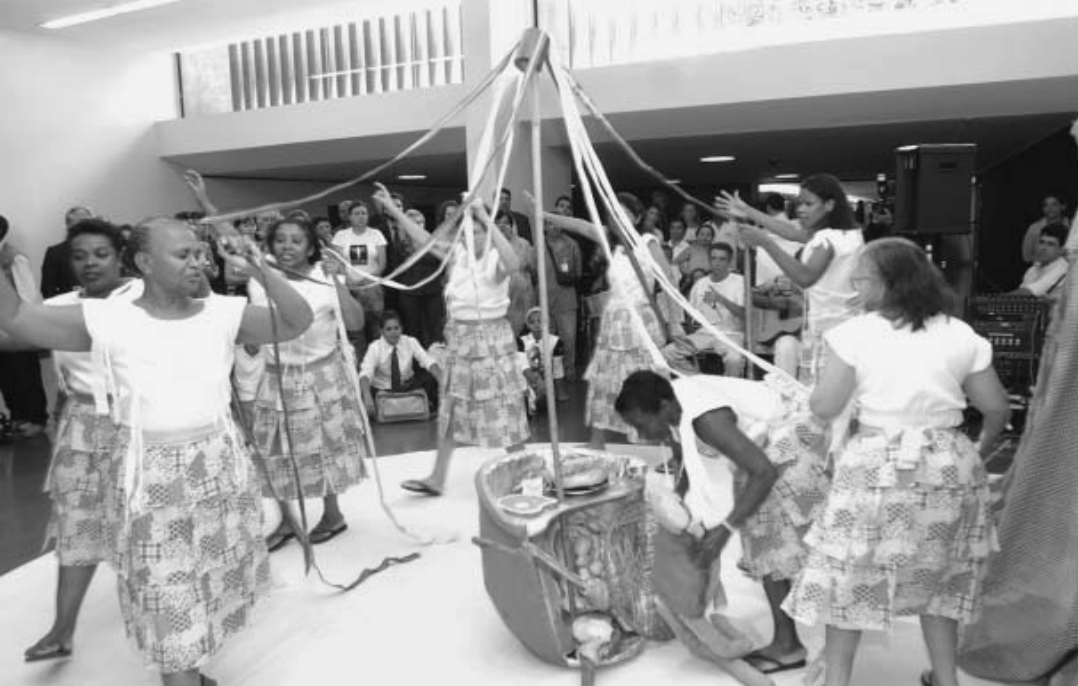
Flip back to Rio de Janeiro, 1992. Theatre-maker, activist and chemical engineer Augusto Boal is elected as a city councillor at a time when the city was facing a complex set of issues, including the HIV/AIDs crisis, entrenched homophobia, and rising inequalities among communities long ignored by public services. Tackling these complex and systemic challenges required understanding the issue from multiple perspectives, as well as collective approaches to problem-solving that might generate policies that truly shift the dial.
After struggling to write his first law during his early days as councillor, Boal did something different. He didn’t follow the usual path: hiring experts, bringing in consultants, or gathering a few people for a focus group. Instead, he created a space for sharing decision-making power with the people directly impacted - not solely through speeches and debate, but also through theatre.
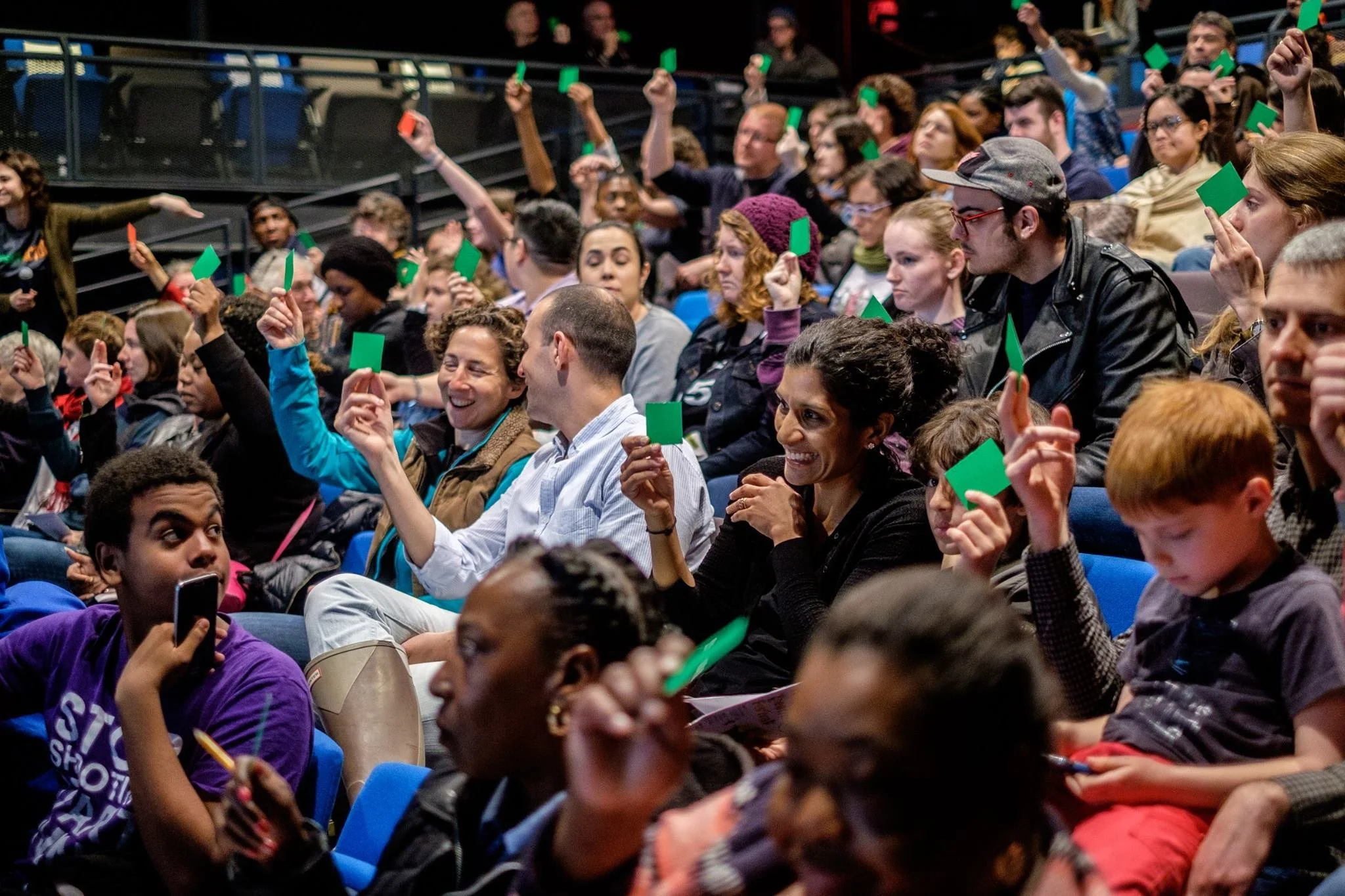
Enter: Legislative Theatre. A branch of the Theatre of the Oppressed methodology developed by Boal and his comrades, Legislative Theatre uses creativity, storytelling, and participation to articulate policy problems and co-create solutions. After a performance by people with lived experience of the issue, and with policymakers and legislators in the audience, facilitators open the space for improvisation, idea testing, deliberation, proposing and voting.
The result? In Boal’s four years in office, 13 laws passed that were originally conceptualised in a Legislative Theatre process. These include a law guaranteeing specialist geriatric care in municipal hospitals, resulting from a performance by the ‘Third Age’ community theatre group; another introducing free access to medical school preparation courses for low-income students; and a law introducing fines to prevent discrimination based on sexual orientation in businesses and public spaces. These common-sense solutions to longstanding social inequalities were a result of creative, participatory, and hands-on collaboration between citizens and lawmakers.
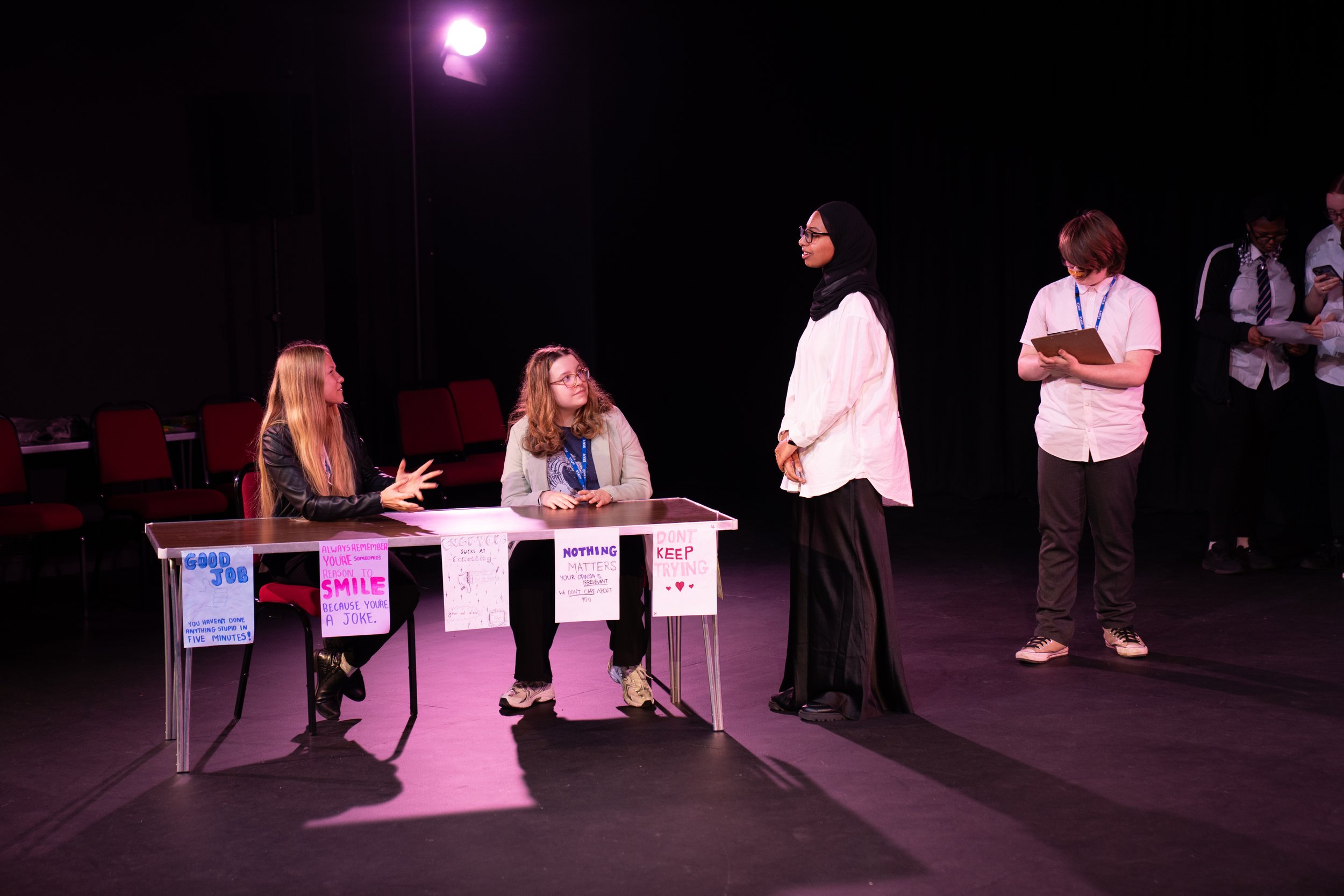
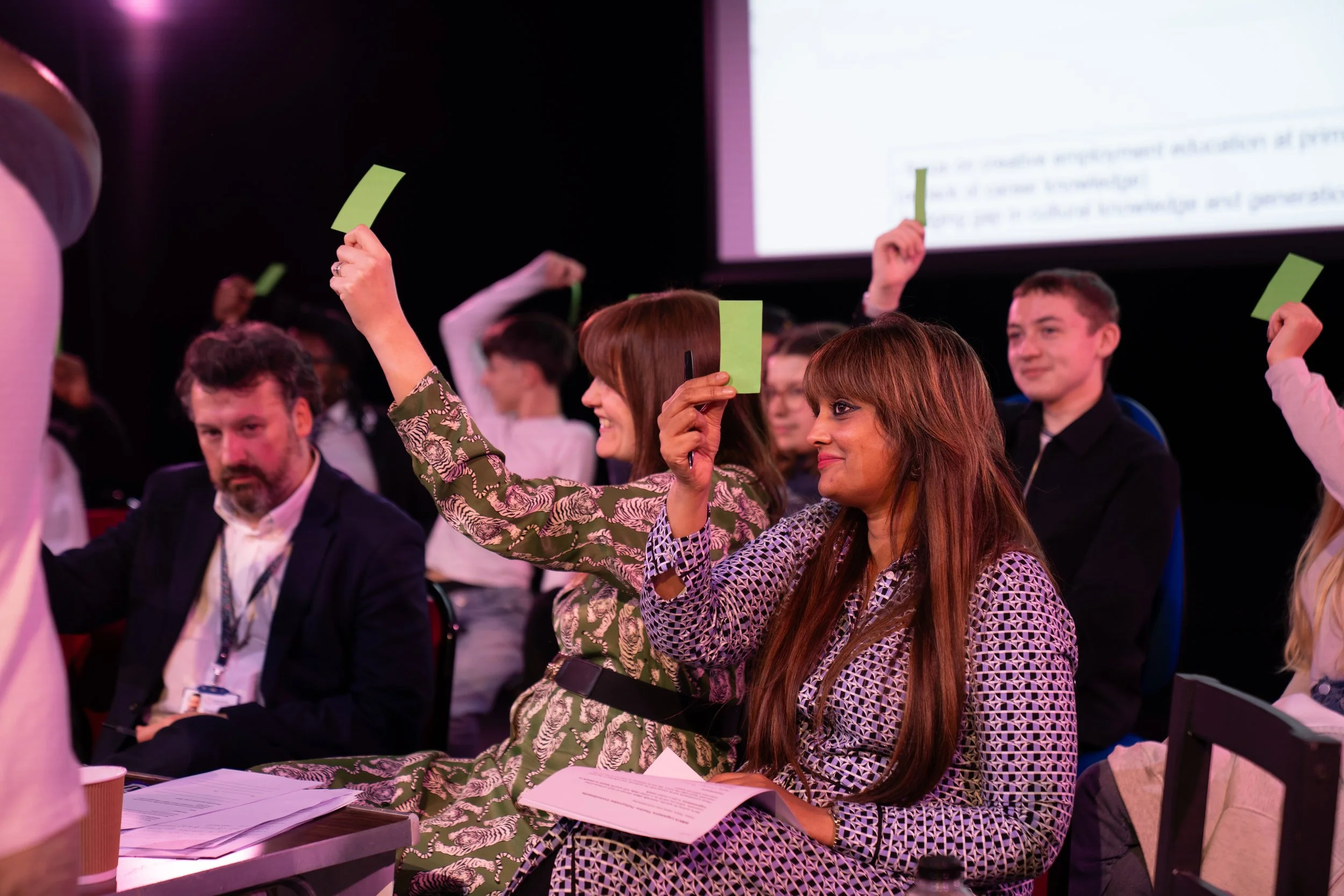
But Legislative Theatre didn’t end in Rio: it has since grown into a global practice, implemented by communities and governments around the world. Its ability to generate new, effective and equitable policy has been demonstrated in a range of contexts: from homelessness prevention in Manchester, to youth employment in Birmingham (pictured below), to climate resilience planning in Zimbabwe.
Two lessons for meaningful public participation
The 'Rewiring the State framework commits to public participation that move beyond performative methods of consultation, and we agree. The most important part of LT isn't the performance itself, it's the concrete policy co-creation that is sparked by the performance, and the engagement that continues in the months and years after.
Key to ensuring that this process translates to real-world change and policy impact is building in mechanisms for accountability. In the Legislative Theatre process, decision-makers commit - both on stage and on paper - to bring specific proposals forward. Policy can’t be changed on the spot, as moving from proposal to implementation can be slow and complex, but a promise can be made out loud, in front of an audience. Using new digital platforms, cities including Birmingham and Barcelona have shared these commitments online to further enhance this accountability.
Accountability is a word that runs throughout Burnham’s plan to Rewire the State, and it’s key in distinguishing Legislative Theatre from a performative consultation process. Like other participatory democracy methods, Legislative Theatre tends to build real momentum, trusted relationships, and understanding that action will follow - whether on climate, housing rights, public services, or education. It’s vital that that understanding is met with transparent and accountable follow-up processes, and momentum is directed into channels where it can continue to grow. In previous examples, this has included youth participants going on to speak at global climate conferences and join advisory boards such as Youth Parliament. In other cases, processes have helped strengthen trade union and social movements on issues like migrant rights and labour laws.
This points to something wider. Alongside invited policymaking processes, meaningful democratic participation requires the right to organise and collectively voice opinions in public. Recent laws restricting the right to protest in the UK have cut against this (as both Amnesty and Liberty have warned) leading to a downgrading of the UK in global ratings of countries’ civic space.
We’ll soon be adding case studies of Boal’s original legislative theatre initiatives in Rio de Janeiro city council, and the laws that came out of them, to our Global Legislative Theatre Map. For government and regional leaders wanting working models for what “active public participation” looks like - or residents looking to demand or initiate these processes from the ground up - The People Act has case studies stretching across thirty years, 20+ countries and a whole host of policy issues.
So if you’re thinking about initiating a legislative theatre process, just let us know when you’ve got your policy commitments, and we’ll get them on the map!
Written by Charlotte Gallagher Squires, The People Act Coordinator